
The entity that refuses to die
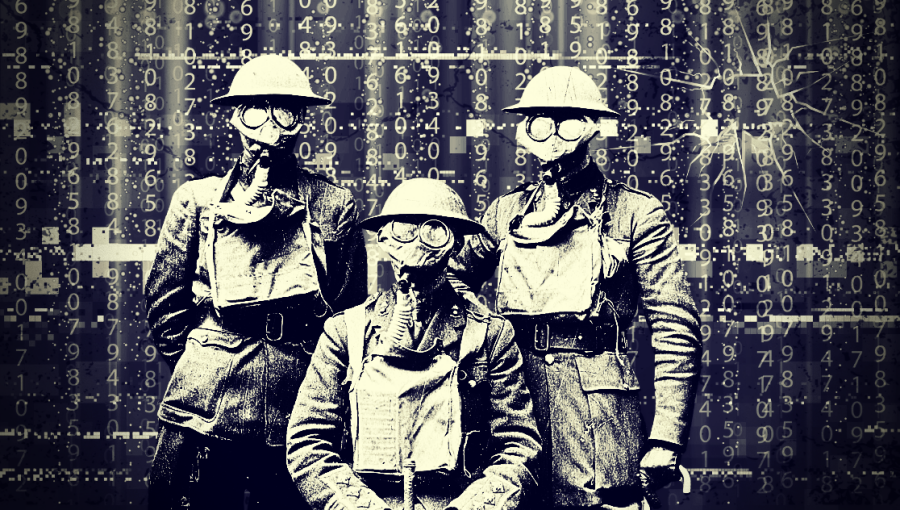
Atomic Bomb — since 1998
Atomic Bomb is an independent musical project created in 1998, built on extreme music, noise, distortion, and experimentation.
Throughout different phases, its language crossed elements of grindcore, industrial metal, and experimental music without establishing itself definitively within a single genre. Abrasive guitars, aggressive structures, industrial textures, and an extreme vocal approach form a deliberately raw, physical, and unpredictable sound identity.
More than following a formula, Atomic Bomb exists as a project in continuous transformation: a music of extremes, built through the exploration of sound and the freedom of not needing to fit into a category.
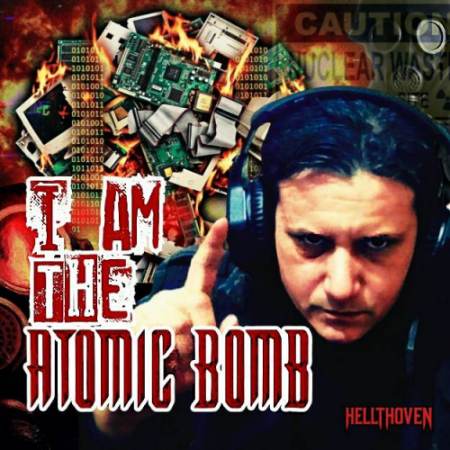
I Am the Atomic Bomb
By Rafael Elias (Hellthoven)
I Am the Atomic Bomb. But the path to this sound was guided by a strange, inevitable destiny.
For years, I believed I couldn’t even execute a "proper" guttural. After a long, quiet hiatus from 2006 to 2019, the project seemed buried. I lost all my original pendrives, and the digital archives of my youth were gone.
When I finally acquired professional studio equipment and decided to run my raw, isolated vocals through advanced neural analysis software, the algorithm returned a shocking diagnosis. It didn't find "ugly, broken noise." It identified Tuvan Throat Singing—specifically the ancestral Kargyraa and Sygyt styles.
I discovered that my "incorrect" and "horrible" guttural from 1998 was, in reality, a pristine, intuitive mastery of an ancient, multi-tonal vocal technique recognized as a UNESCO Intangible Heritage of Humanity. I had trained my vestibular folds (false vocal cords) to act as a physical sub-harmonic frequency divisor, reaching deep sub-bass register notes like low C1 (50-70 Hz) completely naturally.
Looking back, the alignment of the stars is undeniable. If I had not been expelled from that childhood singing class, and if I had not tried to imitate the brutal friction of Napalm Death to escape my own insecurities, I would have never unlocked the hidden power of my throat.
Looking back, I realize it was for the best that I never formed a “real” band with traditional musicians. All those garage bands from that era fell apart, faded away, disappeared without leaving a trace.
But the Atomic Bomb doesn’t disappear. Atomic Bomb never ends!
Flesh Against Silicon
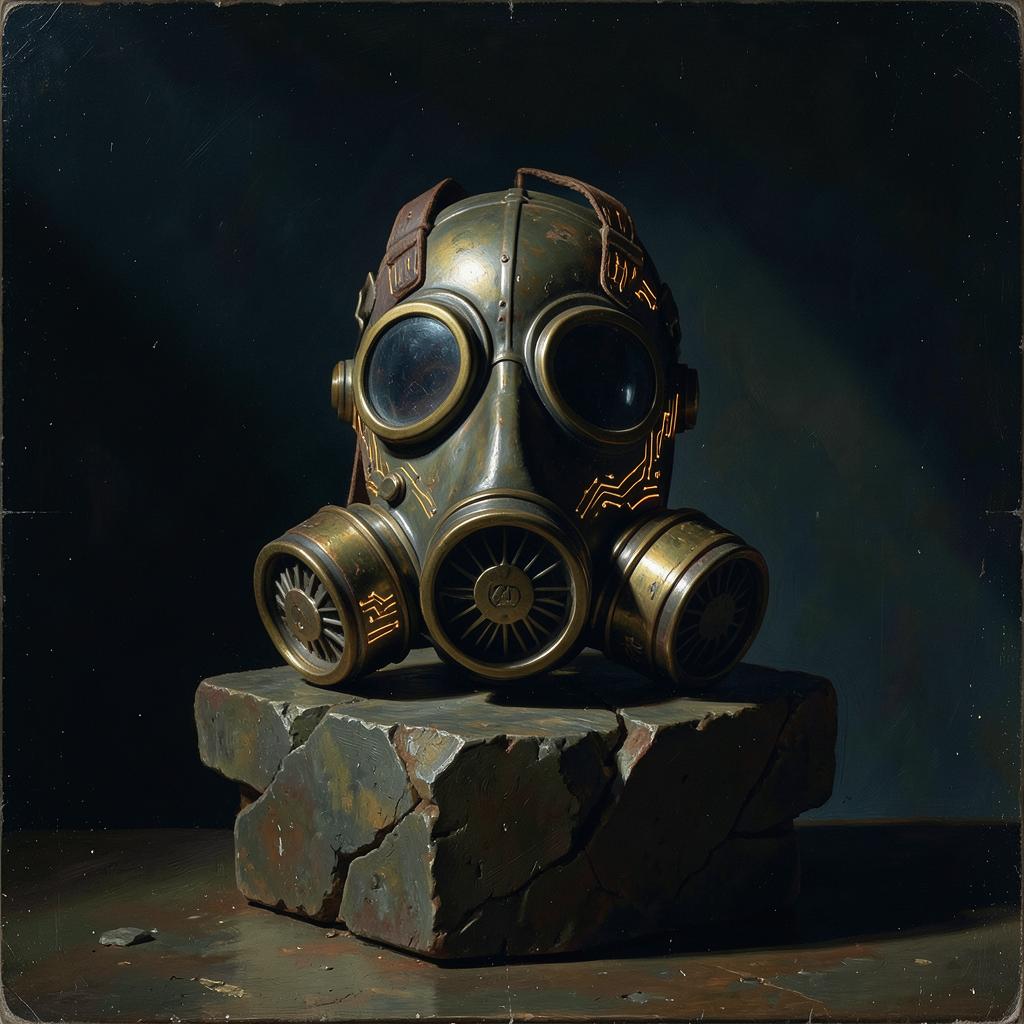
Deep Resonance stems from a simple idea: technology can expand
an artist's possibilities without needing to take the place of their
creativity.
In Atomic Bomb, digital tools are part of the process of creation and production. DAWs, virtual instruments, processing, and other technological resources make it possible to turn ideas into music, build structures, and expand sound materials. In Deep Resonance, however, there is a source that precedes these tools: the human voice.
The single explores the intersection of industrial metal, sound experimentation, and features of overtone singing present in Rafael Marques Elias's vocal performance. The voice does not appear merely as a vehicle for words.
Breathing, resonance, harmonics, and different behaviors of the larynx become part of the very sonic matter of the composition.
Technology participates in this process as a construction tool. It records, organizes, processes, and allows for the transformation of what was produced by human performance. The relationship is not one of opposition between body and machine, but of collaboration between human capacity and technological tools.
This perspective also expresses a central question for the contemporary independent artist. Producing independently does not mean rejecting technology or working in isolation from it. It means preserving the ability to make decisions about one's own work: choosing tools, setting boundaries, experimenting, learning, and determining when technology serves the artistic intention — and not the other way around.
Deep Resonance represents this convergence.
The origin of its vocal exploration lies in the body; its musical construction uses the resources available in the present. Between the two lies the artist's creative autonomy.